There are places that don’t look like they belong to this world. Salse di Nirano is one of them. Located in the Apennine hills just south of Modena, in the heart of the Emilia-Romagna countryside, this natural reserve hosts one of the largest mud volcano fields in Europe — a quietly surreal landscape that you reach by walking through ordinary meadows, past farmhouses and vineyard rows, until the ground suddenly opens up into something ancient and alien.
I went there on a grey morning, camera in hand, with no particular plan other than to see what the light — or the lack of it — would give me.
What Are the Salse di Nirano?
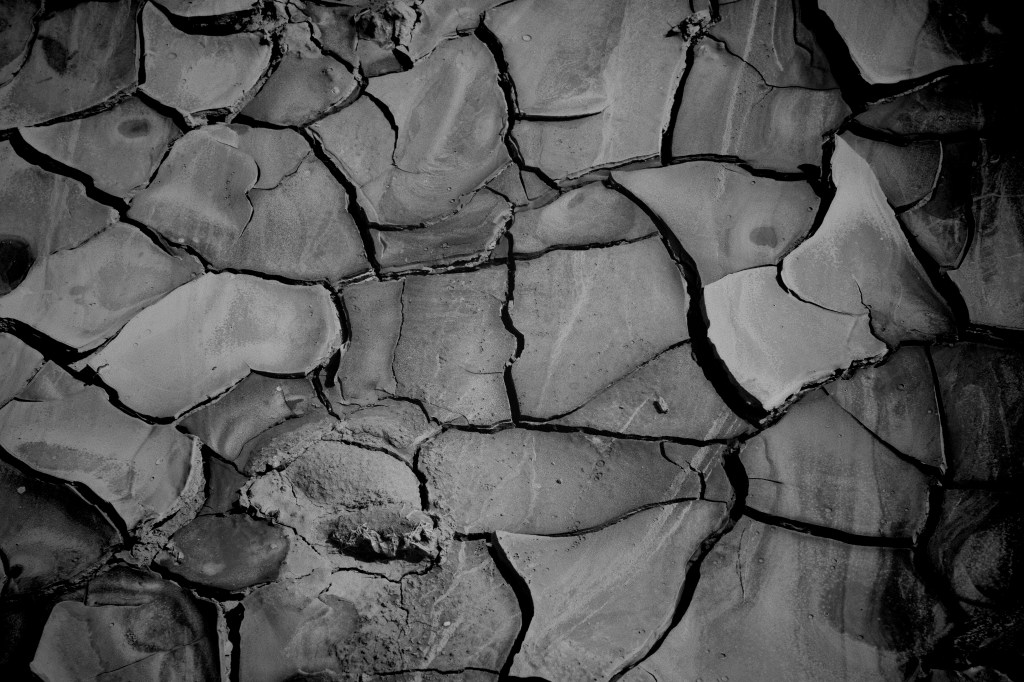
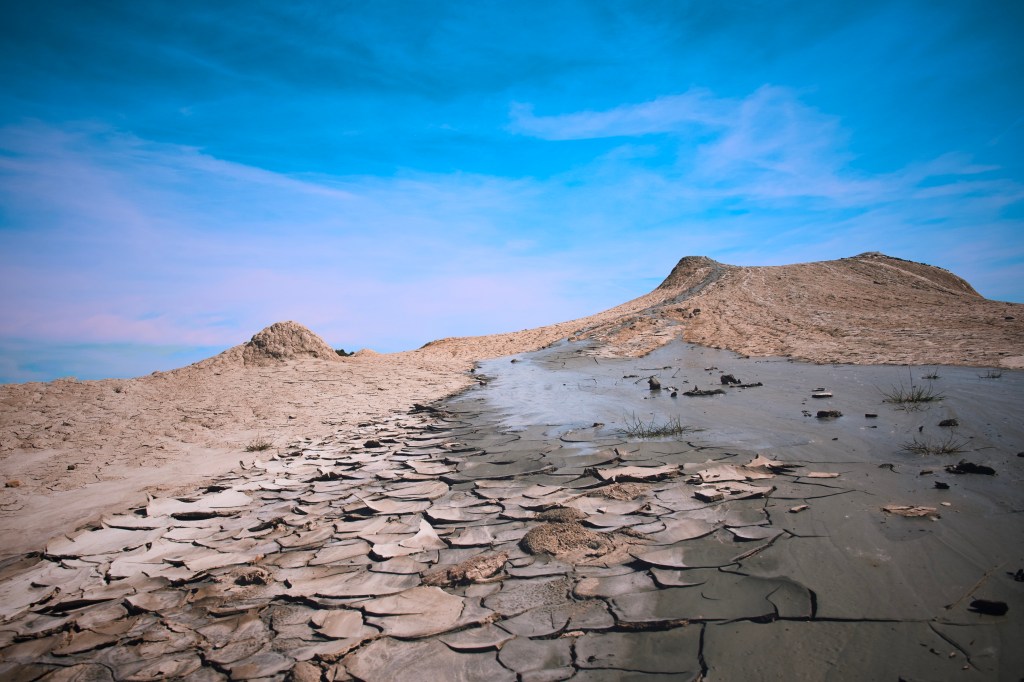
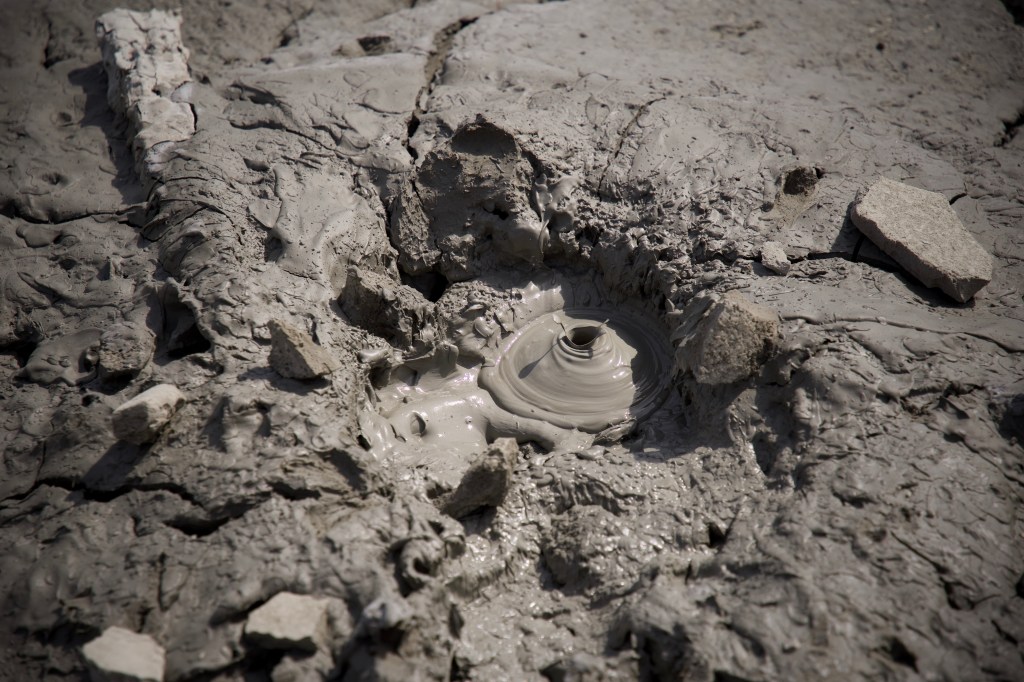
The salse — the word means “mud springs” in the local dialect — are small volcanic vents that continuously emit cold mud, water, and natural gas from deep underground. They’re not hot like traditional volcanoes; the mud that bubbles up is cold, grey, and dense, pushed to the surface by pressurized methane rising through geological faults. Over time, the mud builds up into small cones and craters, some just a few centimeters high, others reaching over a meter. The surrounding terrain dries and cracks between eruptions, creating a landscape of fractured grey plates that looks more like the surface of Mars than northern Italy.
The reserve has been protected since 1982 and covers roughly 200 hectares. It’s a short drive from Modena but feels completely removed from it — quiet, strange, and oddly meditative.
The Gear: Nikon D7500 and the Nikkor 16-80mm
I shot everything that morning with my Nikon D7500 paired with the Nikkor AF-S DX 16-80mm f/2.8-4E ED VR — a lens I keep coming back to for this kind of work. It’s not the most glamorous combination on paper, but it’s deeply practical: the 16mm end gives you enough width to work close to the ground and capture the scale of a landscape, while the 80mm end lets you isolate details without having to move. On a DX sensor, that translates to a rough equivalent of 24-120mm full-frame — a range that covers almost every situation you’d encounter on a walk like this.
The VR (Vibration Reduction) is genuinely useful when you’re crouching awkwardly at ground level trying to hold a composition. And the f/2.8 maximum aperture at the wide end — opening up to f/4 at 80mm — gives you enough flexibility to work with the flat, overcast light of a grey Apennine morning without pushing the ISO too hard.
Three Frames
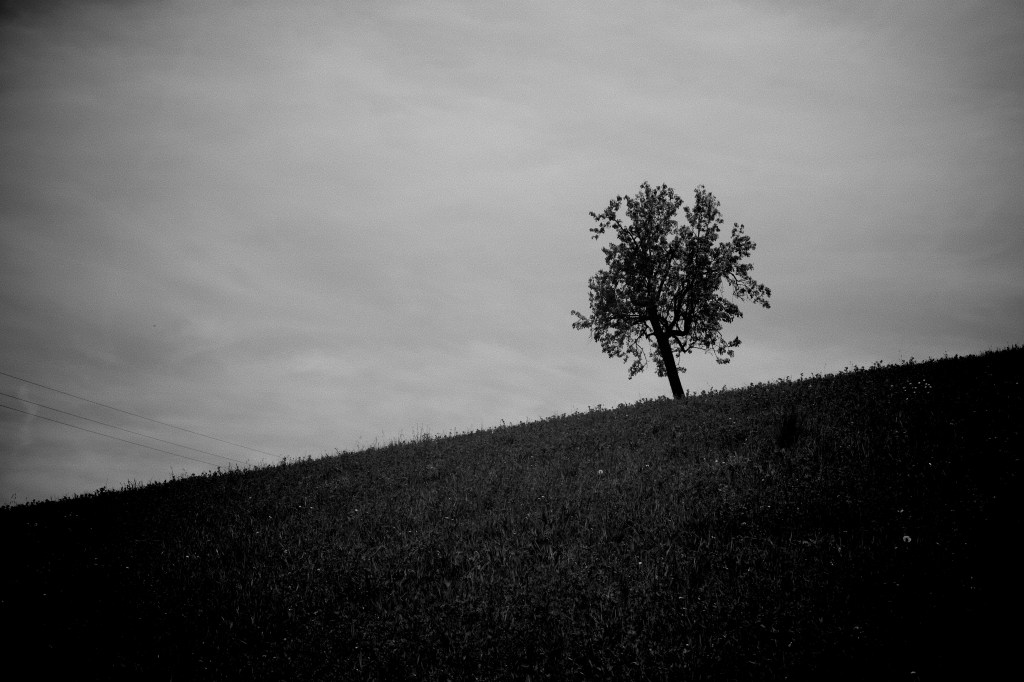
I didn’t come back with hundreds of shots. I came back with a handful that felt honest. Here are three of them.
Why Go
Salse di Nirano is one of those places that rewards patience and a certain tolerance for the unglamorous. It’s not spectacular in the way that the Dolomites are spectacular. There’s no dramatic peak, no postcard moment waiting for you. What it offers instead is strangeness — a slow, geological strangeness that takes a few minutes to sink in. Once it does, you start seeing compositions everywhere: in the cracks, in the cones, in the contrast between the alien mud field and the completely normal Emilian countryside surrounding it on all sides.
Bring boots you don’t mind ruining. Go on a grey day if you can — the flat light suits the landscape. And get close to the ground.
 Alessandro Sillato
Leave a comment